Home Services Lead Generation for Service Businesses: How to Get High-Intent Leads in 2026
If you run a home service company, you already know the toughest part isn’t delivering a great job—it’s consistently getting the right calls from the right homeowner at the right time. The home services industry is crowded, ad costs can be time-consuming to manage, and many “lead lists” turn into dead ends. That’s why home service lead generation matters more than ever in 2026: it’s not just about volume, it’s about lead quality, speed, and a repeatable system that produces high-intent opportunities.
In this 2026 guide, we’ll break down what’s working now for lead generation across the most in-demand service categories—from hvac to plumbing and other local service needs—and how a smart lead generation strategy can deliver better roi. You’ll learn how to evaluate lead generation services, how pay-per-lead models work, what “exclusive leads” really mean, and how to build a scalable approach that brings leads in your area and prospects who are ready to hire.

Homeowners are still hiring in 2026—winning service companies capture high-intent leads fast and respond first.
Lead Generation in 2026: What’s Changed for the Home Services Industry?
In 2026, lead generation is less forgiving. More service companies are competing for the same homeowner leads, and most marketing efforts are being pushed into fewer places—search, social, and local listings. That creates higher costs and more noise, which makes lead quality the difference between growth and wasted spend.
The biggest change is intent. Homeowners are doing more research, moving faster, and choosing vendors that feel trustworthy and responsive. That means you need an approach to lead generation that catches people who are actively seeking help—especially those actively searching for help with urgent home improvement and repair needs—and routes them to the right service business with minimal delay.
If you want best results, your system must be built around real intent: prospects seeking services, customers actively seeking a quote, and households who are ready for conversion—not generic traffic.
What Are High-Quality Home Service Leads (and Why Lead Quality Matters)?
Not all home service leads are created equal. A “lead” that isn’t reachable, isn’t in your territory, or isn’t your specific home project type is not a lead—it’s a cost. Quality leads are the ones that match your services, your geography, and your capacity to respond quickly.
A good lead typically has:
A clear need for a local service
A real timeline (often ready to hire)
Accurate contact info and willingness to talk
A request tied to one of your service categories or home service categories
A location that matches your operating radius—true leads in your area
When you focus on high-quality opportunities, you’ll see higher conversion rates because you’re spending time on potential customers who are actively seeking solutions. For any business owner, improving lead quality is one of the fastest ways to increase roi without increasing spend.
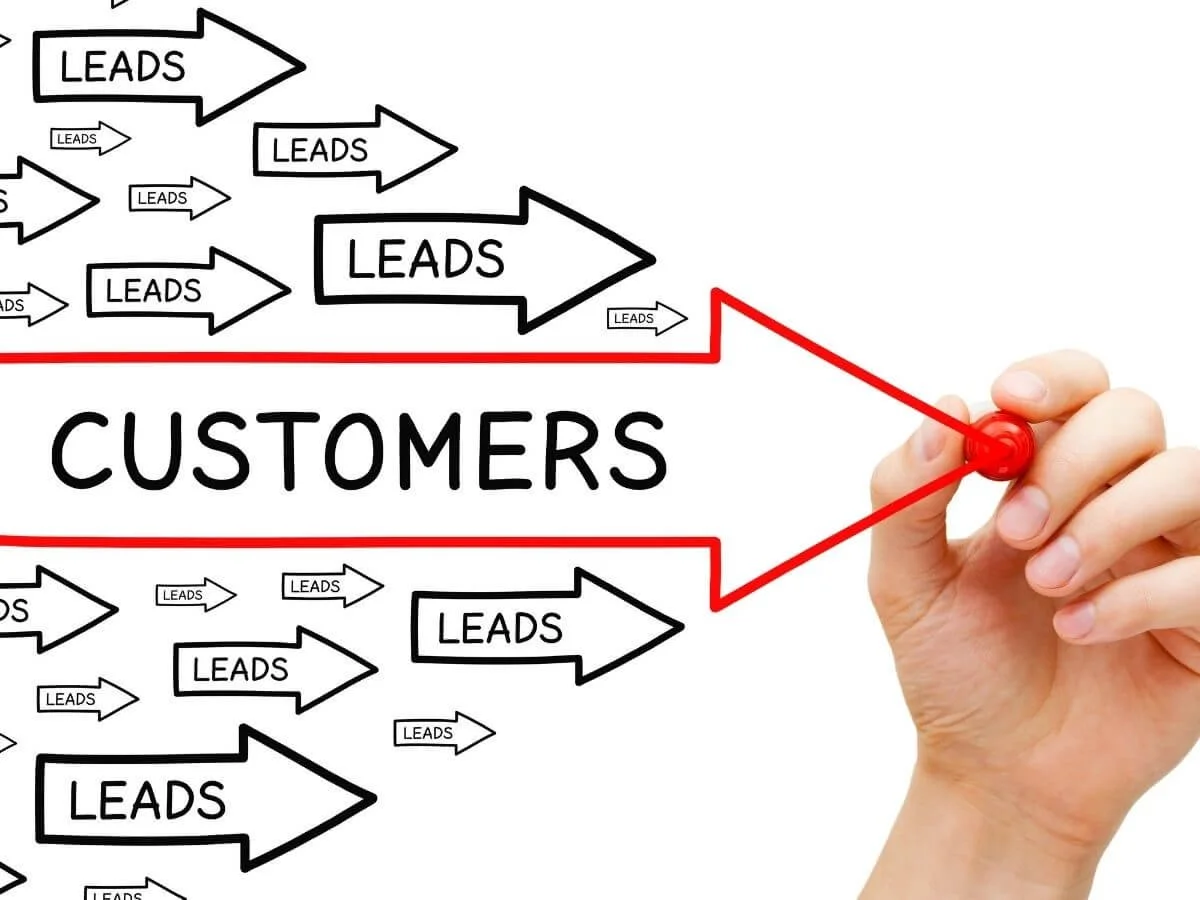
A repeatable lead generation strategy turns more home service leads into customers by capturing, qualifying, and routing every lead fast.
Home Service Lead Generation Strategy: How to Build a Repeatable System
A strong lead generation strategy isn’t one tactic—it’s a system. The most consistent home service business operators build a predictable pipeline that captures, qualifies, and routes potential clients to the right next step.
A simple system looks like this:
Drive intent from your best marketing channels
Capture demand through compliant forms and calls
Confirm qualification and service fit
Route every lead quickly (speed matters)
Track outcomes so you can improve roi
This is where many service business owners struggle: doing it all yourself becomes time-consuming, and fragmented tools create leaks. The better route is to build a clear process, then decide where to use a reliable marketing partner or a dedicated lead generation solution so your team can focus on fulfillment and sales.
Lead Generation Services vs. DIY Marketing Efforts: What Works Best for Contractors?
Many home services companies try to build everything internally: ads, SEO, follow-up, and tracking. It can work—but only if you have the time, expertise, and budget to test aggressively. For most service companies, it’s more efficient to combine internal branding with specialized lead generation services.
DIY pros:
Full control of brand and messaging
Ability to build long-term assets
Potentially lower cost over time
DIY cons:
More variables to manage
Often time-consuming to optimize
Requires consistent follow-up systems
On the other hand, high-quality lead generation services can deliver leads directly to your team, often in real-time, and let you scale up or down based on seasonality. The key is choosing providers that prioritize good leads, transparent filtering, and measurable performance.
The best setup for many contractors is hybrid: you maintain your core presence while using lead generation services to fill gaps, expand territory, or support growth into new service categories.
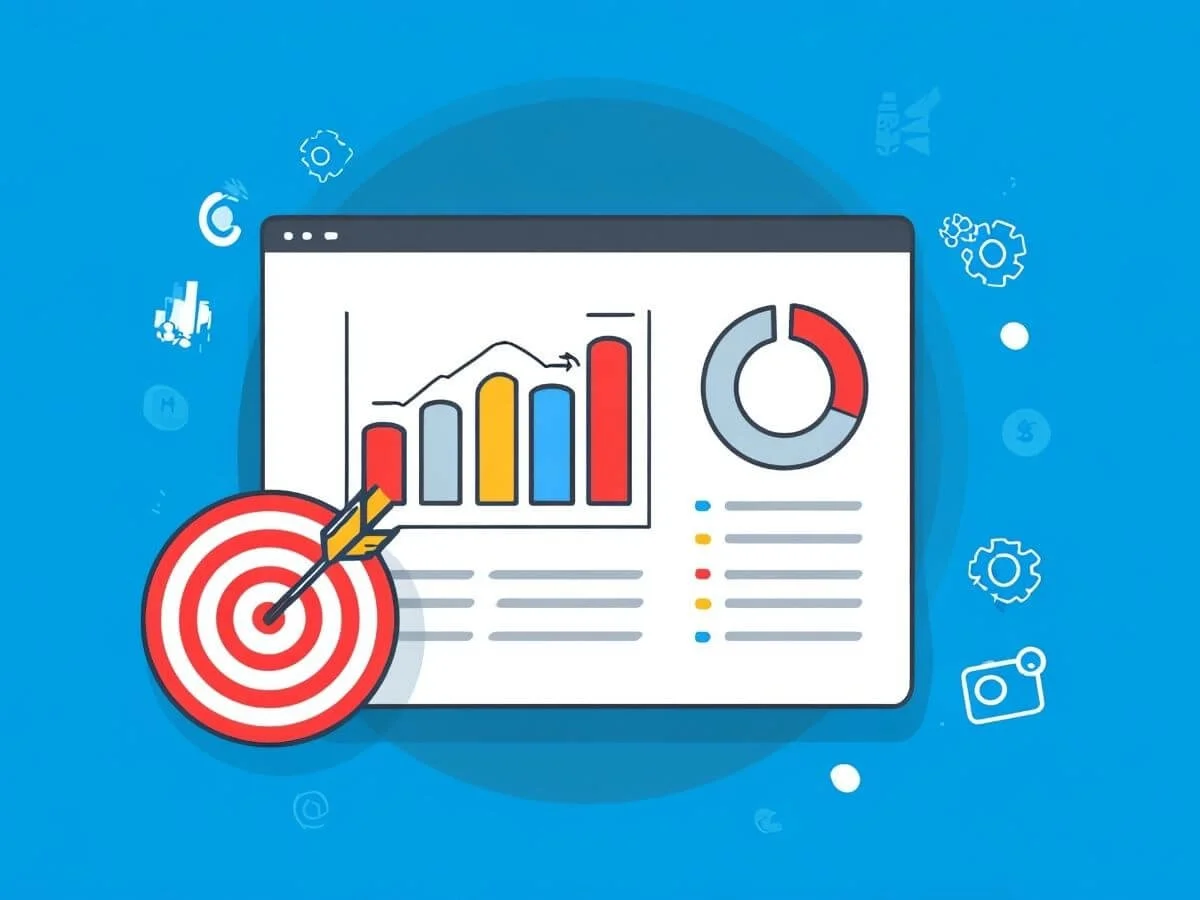
Pay-per-lead marketing works when you track cost per lead, lead quality, and ROI—then optimize toward what actually converts.
Pay-Per-Lead Marketing Explained: Cost per Lead, Lead Cost, and ROI
Pay-per-lead marketing is one of the simplest ways for service companies to control acquisition spending. Instead of paying for clicks and hoping they convert, you pay when you receive a valid inquiry. Done right, it’s specifically for contractors who want predictable volume without guessing.
To evaluate a pay-per-lead offer, track:
cost per lead (your target)
average lead cost by category
close rate and revenue per job
time-to-contact (speed to first call)
cancellation / no-show rate
This is where roi becomes clear. A slightly higher cost per lead can be worth it if the leads are high-intent leads and your team can respond quickly. Conversely, cheap leads can destroy your marketing budget if they don’t convert.
The bottom line: buying leads only works when you can measure outcomes and improve your marketing efforts over time.
Exclusive Leads vs. Shared Leads: Which Is Best for Your Service Business?
Many companies advertise exclusive leads, but the definition varies. True exclusive means your company is the only buyer for that inquiry—no competition blowing up the same homeowner minutes later.
Exclusive is usually best when:
You want fewer but better opportunities
You have fast response systems
You’re optimizing for qualified leads and close rate
Shared leads can work when:
You have a strong sales process
Your pricing is aggressive
You can respond instantly
For most home service operators, exclusive leads deliver better lead quality and reduce wasted calls. If you’re buying leads, make sure the provider can clearly explain how they handle exclusivity, duplication, and dispute rules—because “exclusive” should mean something measurable.

Real-time lead delivery boosts conversion rates—because the fastest response usually wins the homeowner first.
Real-Time Lead Delivery: Why Speed Improves Higher Conversion Rates
One of the biggest levers in lead generation for home services is speed. When a homeowner is actively searching for help, the first professional response often wins. That’s why real-time routing matters so much—especially for urgent categories like hvac and emergency repairs.
Fast delivery enables:
Immediate calls/texts to the prospect
Higher appointment set rate
Better close rates and higher conversion rates
Stronger customer experience and good service
This is also where your team’s follow-up matters. A quick first contact, a clear confirmation, and a simple next step (schedule, quote, inspection) can turn new leads into signed jobs before competitors even respond.

Leads in your area convert better—tight local targeting keeps your service business visible to the right homeowners and cuts wasted spend.
Leads in Your Area: Targeting the Right Local Service Footprint
Buying or generating leads without geographic controls is one of the easiest ways to waste money. Great home service lead generation starts with defined territory: your radius, your cities, and your crew coverage. When you focus on leads in your area, you improve response speed and customer experience.
A smart territory plan includes:
Your core zip/city footprint
Expansion zones you can service within SLA
Clear rules by category (some jobs travel farther)
Filters to avoid out-of-area requests
This also matters for reputation. Homeowners expect fast scheduling and reliable arrival windows—especially in home improvement projects. Strong location matching makes your company feel organized and trustworthy, which increases conversions.
Landing Pages, Marketing Channels, and Email Marketing: Converting Leads into New Clients
Lead flow is only half the game. Converting leads requires a simple, consistent follow-up system. Even a great lead can go cold if the next step isn’t clear.
High-performing teams use:
Dedicated landing pages aligned to each category
Fast call/text follow-up within minutes
Simple estimate scheduling
Light-touch email marketing for longer-cycle prospects
Your marketing channels matter too. Some sources deliver urgent demand; others are research-driven. The goal is to align your process to intent and move potential customers to the next step quickly.
If you want predictable results, treat each inquiry like a live opportunity: every lead should have an owner, a first-contact attempt, and a clear disposition.
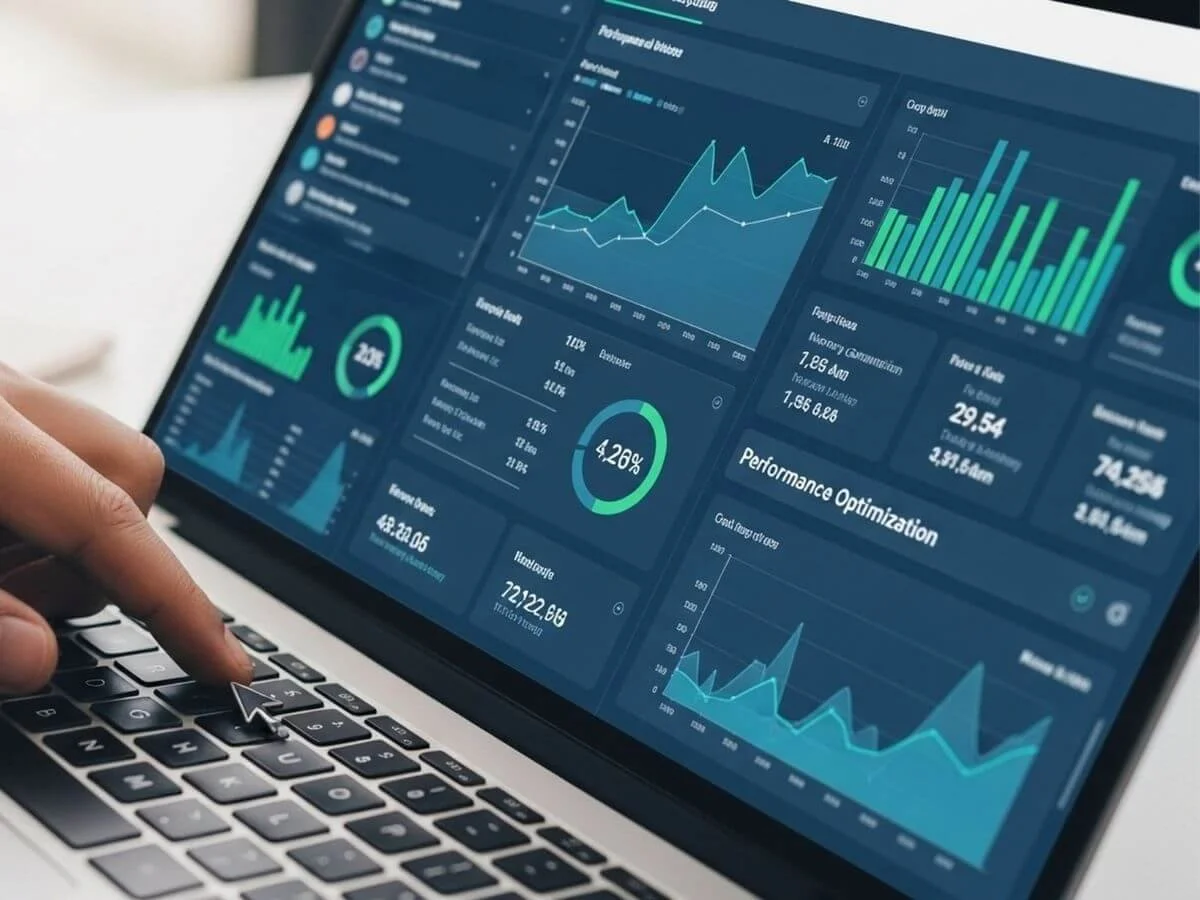
In 2026, the best lead generation platform gives service companies control over lead quality, targeting, and ROI—backed by reporting you can trust.
Choosing a Lead Generation Platform: What Service Companies Should Demand in 2026
A solid lead generation platform should do more than “send leads.” It should help you control quality, delivery, and outcomes. If you’re evaluating providers in 2026, demand transparency and control—because that’s how you protect roi.
A strong platform should offer:
Clear definitions of lead validity and lead quality
Geographic targeting for leads in your area
Category controls across service categories
Delivery options that support speed (call, email, CRM)
Reporting that ties spend to revenue outcomes
Real support—responsive customer support
At Inquir, we focus on connecting contractors with homeowners through performance-based acquisition models that prioritize intent and clarity. Our goal is connect with homeowners who are actively seeking help, then route those requests to the right service companies with consistent, trackable delivery—so you can scale without guessing.
Key takeaways to remember
A strong home services lead generation system prioritizes lead quality, speed, and measurable outcomes.
High-quality leads come from homeowners who are actively seeking help and are ready to hire.
A repeatable lead generation strategy combines the right marketing channels with fast follow-up.
Pay-per-lead models work best when you track cost per lead, lead cost, and downstream roi.
True exclusive leads reduce competition and often improve close rate for service companies.
Real-time routing improves contact rates and creates higher conversion rates.
Define territory and demand leads in your area to avoid wasted spend.
Use landing pages and light email marketing to improve converting leads into new clients.
Choose lead generation services and platforms that are transparent, controllable, and built for contractors.